The Global Payment Process for Guyanese Exporters
The global payment process is often invisible to new Guyanese exporters until the first international order arrives. Understanding the international payment journey—from the moment a buyer asks a question to the moment funds are confirmed and the order is fulfilled—helps small businesses in Guyana avoid delays, disputes, and lost sales.
What Happens Between a Quote and a Payment?
From quotation to payment, an international order follows a longer path than most domestic sales in Guyana. A typical sequence begins with a buyer inquiry, moves through quotation and negotiation, reaches a commercial agreement, is formalized in an Offer or equivalent document, and only then proceeds to payment. The international order payment process is complete only when the Guyanese seller has verified receipt of funds and can safely begin fulfillment. Skipping or blurring any of these stages increases the chance that the buyer and seller hold different expectations about price, timing, or obligations. Mapping the full sequence gives both parties a shared reference point and reduces the friction that commonly appears in cross-border deals.
Step 1 – Product or Service Inquiry
Every international transaction process starts with an inquiry. The buyer identifies a need and contacts the Guyanese seller for information about the product or service, specifications, availability, and approximate pricing. At this stage the global sales payment workflow has not yet begun; the focus is on clarifying requirements and establishing basic credibility. Sellers who respond with clear, professional information and relevant supporting details increase the likelihood that the inquiry advances to a formal quotation. Incomplete or slow replies often end the conversation before any commercial discussion of payment can occur.
Step 2 – Quote, Negotiate and Confirm the Order
Once interest is confirmed, the seller issues a quotation covering price, quantity or scope, delivery terms, and proposed payment conditions. Negotiation may adjust any of these elements. From quotation to payment, this stage is critical because the final agreed terms become the foundation for the later Offer and payment instructions. International payment steps at this point include agreeing the currency (for example GYD or USD), any deposit requirement, the timing of the balance, and the preferred payment method. When these points remain vague, later payment execution becomes slower and more prone to misunderstanding.
Step 3 – Create a Clear Commercial Offer
After terms are settled, the commercial agreement should be captured in a clear Offer or equivalent document. The international order payment process works more smoothly when the Offer states exactly what the buyer is purchasing, the price and currency, the quantity or scope, delivery expectations, and the payment terms. A well-structured Offer reduces ambiguity and gives both sides a single reference for the cross-border transaction flow. Without this clarity, payment instructions may not match the buyer’s understanding of the deal, leading to delays or partial payments that complicate fulfillment.
Step 4 – Payment and Confirmation
How international payments work in practice depends on the method chosen—bank transfer (SWIFT), platform payment, or another agreed channel—but the logical steps remain consistent. The Guyanese seller issues precise payment instructions linked to the Offer or invoice. The buyer executes the payment. The seller monitors arrival of funds, taking into account possible intermediary bank delays and compliance checks. Only after confirmation should the seller commit resources to fulfillment. International payment steps that skip formal confirmation expose the seller to the risk of shipping or delivering against funds that have not yet cleared or that arrive short of the agreed amount.
Step 5 – Delivery and Reconciliation
After payment is confirmed, the seller proceeds with shipment or service delivery according to the agreed terms. The international transaction process is not finished at the moment of dispatch. The seller should retain payment records, commercial documents, and shipping or delivery evidence, then reconcile the incoming funds against the specific order. Global sales payment workflow discipline at this stage prevents later disputes, supports accurate accounting, and creates a clean history for repeat orders. Reconciliation also reveals any discrepancies in fees, currency conversion, or partial payments that need to be addressed with the buyer.
How StrongBody AI Connects Chat, Offer and Payment
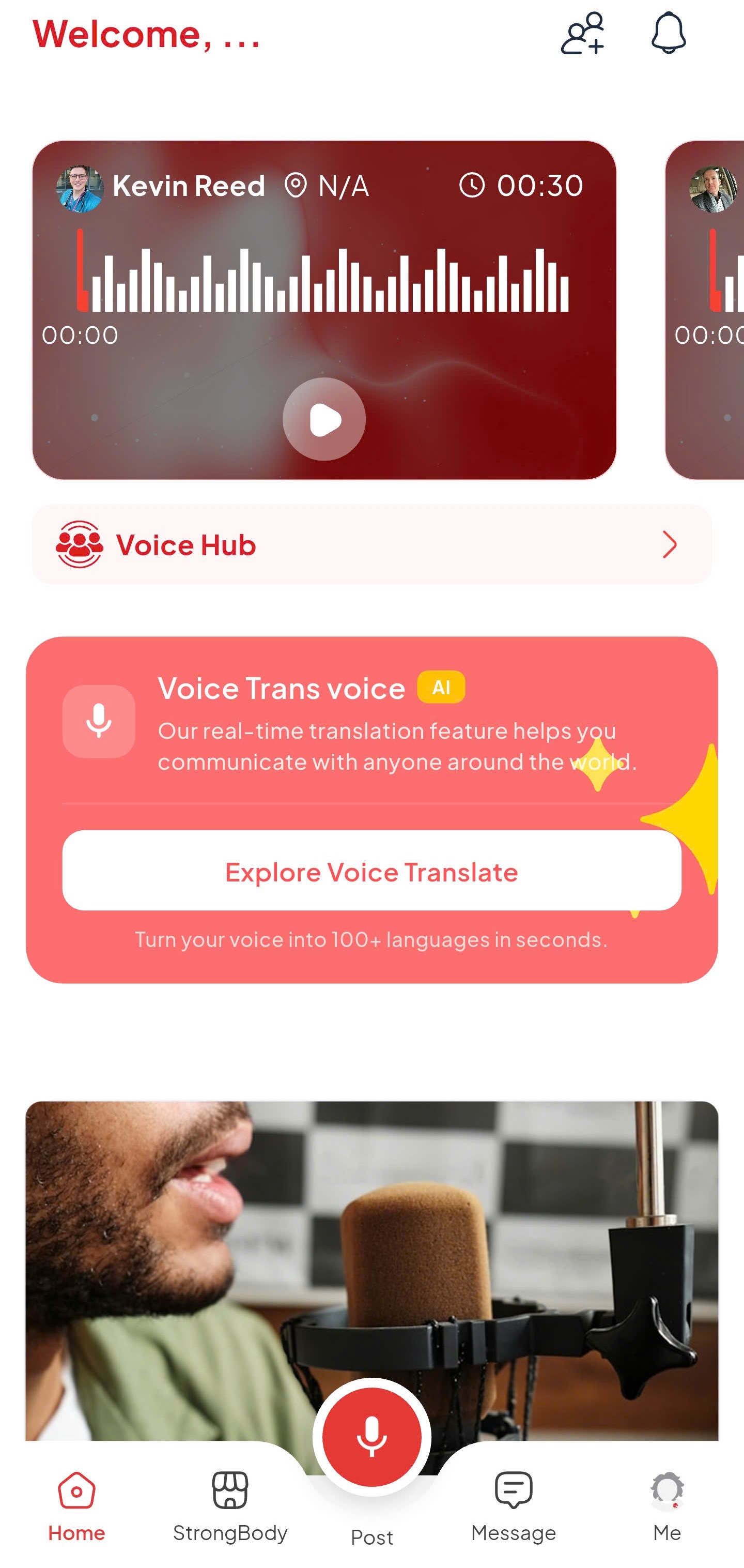
In many traditional export relationships from Guyana the conversation, the commercial agreement, and the payment instruction live in separate channels. StrongBody AI is designed to keep these stages more closely linked. Chat supports the early exchange of information and negotiation. A structured Offer then captures the commercial agreement in a form both parties can reference. Payment can follow from that same transactional context, reducing the need for the buyer to reinterpret terms across different systems. This connection between Chat, Offer, and Payment shortens the cross-border transaction flow and lowers the risk that an agreed deal fails at the payment stage. For Guyanese sellers, the international payment journey becomes more visible and easier to manage from first contact to settlement.
How MultiMe Helps Small Sellers in Guyana Start With an Integrated Global Selling Journey
Small businesses in Guyana that are new to export often feel they must assemble an entire international sales infrastructure before they can accept their first overseas order. MultiMe AI Ecosystem offers a more progressive path. Sellers can establish a digital business presence, connect with potential buyers, communicate, and move toward structured Offers and transactions within one environment rather than stitching together multiple disconnected tools. This integrated approach supports the global payment process by keeping commercial context and transaction records closer together from the outset. As a result, the international transaction process becomes less fragmented and more practical for sellers who are still building their global selling capability.
Q&A on Global Payment Process
What are the main stages in the international payment journey?
The typical sequence runs from buyer inquiry to quotation and negotiation, commercial agreement and Offer, payment execution and confirmation, then delivery and reconciliation. Each stage builds on the previous one.
Why is a clear Offer important before payment?
A clear Offer records exactly what is being bought, the price, currency, quantity or scope, and payment terms. It reduces ambiguity and gives both buyer and seller a shared reference for the subsequent payment and fulfillment steps.
When should a seller begin fulfillment?
Fulfillment should normally begin only after payment has been confirmed. Starting production or shipment before funds are verified increases financial exposure, especially with new international buyers.
What happens after the payment is received?
The seller delivers the goods or service according to the agreed terms, retains the relevant commercial and shipping documents, and reconciles the incoming payment against the specific order to close the transaction cleanly.
How can platforms improve the global sales payment workflow?
Platforms that connect communication, structured Offers, and payment in the same environment reduce hand-offs, keep commercial context visible, and make the path from inquiry to settlement clearer for both parties.
Call to Action
Map your own international payment journey before accepting your next overseas order. Know exactly what happens from buyer inquiry to payment, delivery, and reconciliation so that every global transaction can move forward with clarity and control.